
How to Choose the Right Tool to Walk your Dog: Is your Gear the Right Fit?
Updated: Jun 10
With spring just around the corner, many of us are counting down the days until we can spend more time outdoors with our dogs. Longer walks, greener parks, and sunnier afternoons make it the perfect season to reconnect with nature and our four-legged companions. But as dog walking becomes more frequent, it’s worth asking: is your current walking gear really the best fit for your dog?
Dog walking equipment has evolved far beyond the standard flat collar. Today, pet owners can choose from a wide variety of tools, each designed with different purposes, training styles, and dog behaviors in mind. From head halters to martingale collars, the “right” choice depends less on trends and more on your individual dog and how they behave on a leash. Let’s break down some of the most common options and when they’re best used so you can choose the right tool to walk your dog.
Understanding Dog Walking Gear
Flat Collars
The traditional flat collar is still a staple—and for good reason. It’s simple, affordable, and ideal for dogs who already walk politely on a leash. Flat collars are great for holding ID tags and are perfectly suitable for calm walkers who don’t pull. However, for dogs that lunge or strain against the leash, flat collars can put pressure on the neck and may not provide enough control.

Harnesses
Body harnesses have become increasingly popular, especially for small breeds or dogs with delicate necks. These harnesses distribute pressure across the chest and shoulders rather than the neck, making them a safer option for dogs prone to pulling or respiratory issues. There are two main types:
Back-clip harnesses, which are comfortable but may encourage pulling in some dogs.

Front-clip harnesses, which gently redirect a dog’s movement when they pull, making them a helpful training tool.
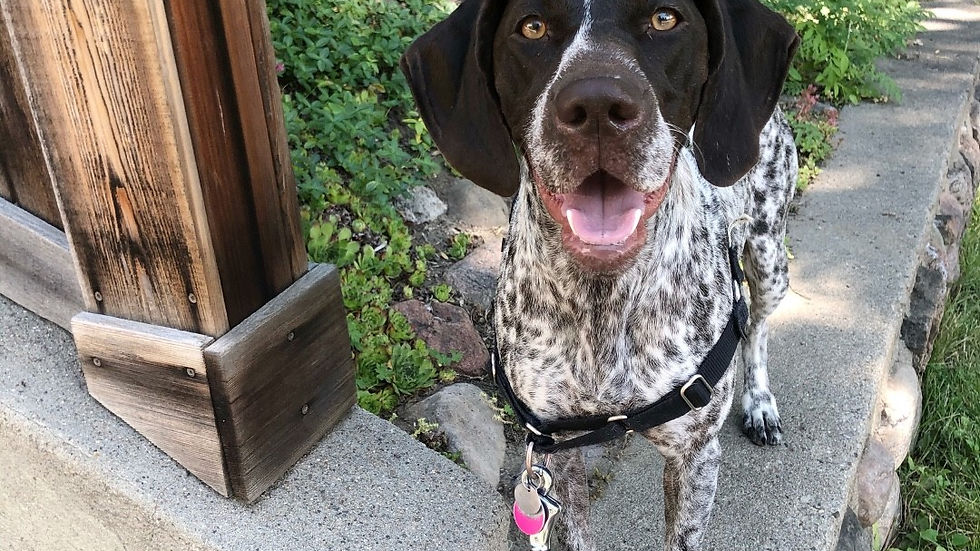
Harnesses are a great middle ground for many dogs, offering both comfort and control.
Head Halters
Face harnesses, often called head halters, fit around a dog’s muzzle and give the handler more control over where the dog’s head—and therefore body—moves. They can be particularly effective for strong pullers or large breeds.
However, they do require proper introduction and training. Some dogs initially resist wearing them, and incorrect use can cause discomfort. When used correctly, though, they can make walks significantly more manageable.

Slip Leashes
Slip leashes combine a collar and leash into one adjustable loop. They tighten when the dog pulls and loosen when tension is released. These are commonly used by trainers, groomers, and in shelter environments because they’re quick to put on and remove.
Slip leashes can be effective for short-term use or training, but they require a skilled hand. Without proper technique, they can put excessive pressure on a dog’s neck, so they’re generally not recommended for everyday walks with inexperienced handlers.

Martingale Collars
Martingale collars are designed for dogs who tend to slip out of traditional collars—like Greyhounds or other narrow-headed breeds. They tighten slightly when the dog pulls but have a built-in limit to prevent choking.
They offer more control than a flat collar without the intensity of a slip leash, making them a popular choice for both safety and training. Martingales are especially useful for dogs still learning leash manners or those prone to backing out of collars.
Choosing the Right Gear for Your Dog
Assessing Your Dog's Needs
The truth is, there’s no one-size-fits-all answer. The best walking tool depends on your dog’s size, breed, temperament, and leash behavior, as well as your own comfort and handling skills.
A calm, well-trained dog may do perfectly with a flat collar.
A dog that pulls might benefit from a front-clip harness or head halter.
An escape artist could be safest in a martingale collar.
A training-focused handler might occasionally use a slip leash with proper guidance.
Making the Transition
As you gear up for spring adventures, take a moment to evaluate your dog’s walking habits. Choosing the right tool to walk your dog won’t just make walks easier; it can make them safer and more enjoyable for both of you.
After all, the goal isn’t just to get outside; it’s to enjoy every step together.
Conclusion
In conclusion, selecting the right walking gear for your dog is essential for a happy and safe experience. Whether you opt for a flat collar, harness, head halter, slip leash, or martingale collar, each option has its unique benefits. Remember to consider your dog's specific needs and behaviors. Embrace the joy of walking together this spring, and make every outing a delightful adventure!
For more information on professional dog walking services, feel free to check out Lethbridge Dog Walking.


Comments